
Introduction
Lithium batteries (Lithium-ion) are the most commonly used batteries in electronic devices, where their light weight and fast-charging capability make them ideal for portable devices such as laptops and smartphones, as well as for electric vehicles and all types of renewable energy storage systems.
A major concern is the way these lithium batteries are often mistakenly thrown in municipal or household recycling bin. This is a significant issue because if they overheat, they can cause fires during transport- at landfills and at recycling facilities- even when they come into contact with other metals.
Report of International Energy Agency (IEA)
According to the IEA (International Energy Agency), the use of batteries for electric vehicles (EVs) increased by 40% in 2023, with 14 million new electric cars, accounting for the vast majority of batteries used in the energy sector. The energy sector now accounts for over 90% of annual demand for lithium-ion batteries.
Global electricity demand grew year-on-year by around 3% in 2025, easing from 4.4% in 2024, when intense heat waves boosted electricity consumption. Nevertheless, the 2025 growth rate remained above the 2.8% annual average observed between 2014 and 2024 and was also well over twice the rate of overall global energy demand growth in 2025 (1.3%).
Common challenges
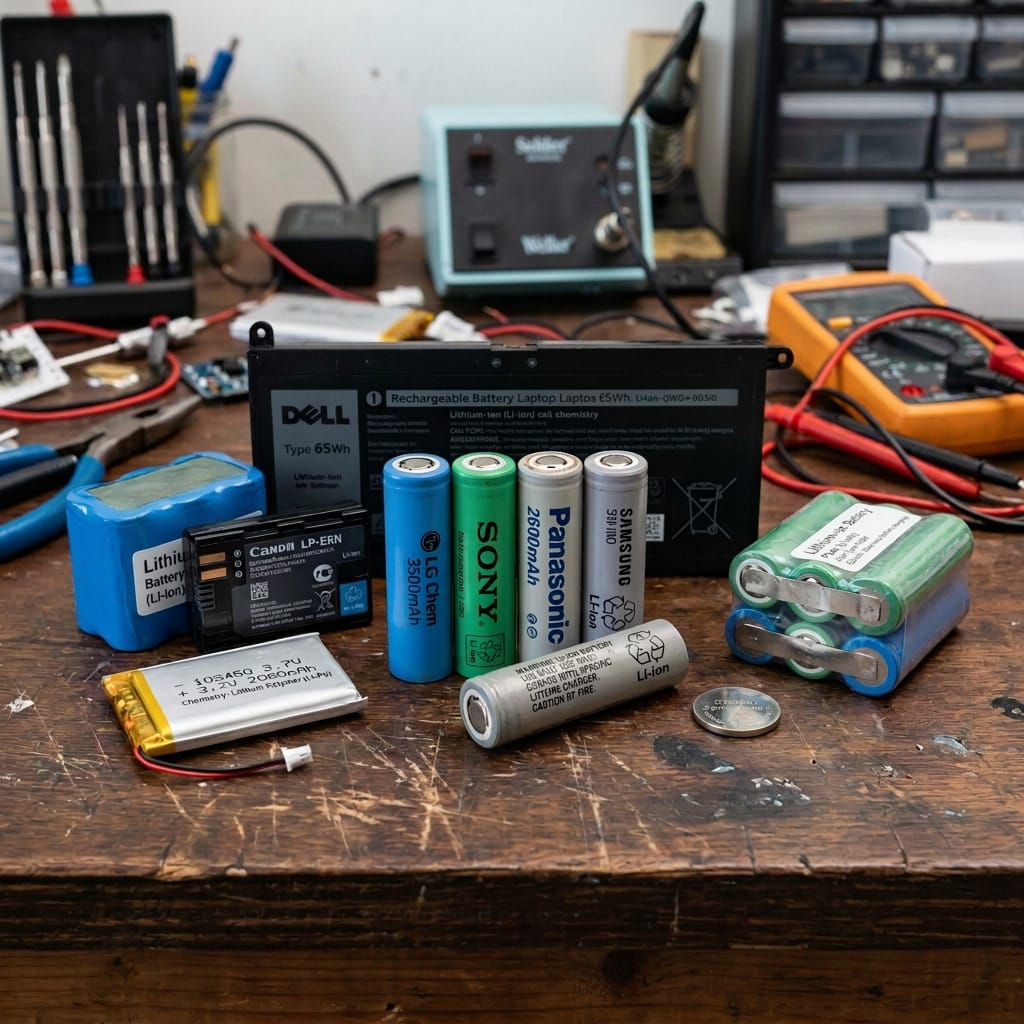
There are a few factors to consider regarding the operation of lithium batteries.
- Thermal safety: overheating can cause degradation or explosion under extreme conditions
- Cyclic degradation: over time, performance declines due to a loss of capacity and an increase in internal resistance
- Costs and recycling: materials and production processes have economic and environmental impacts that call for sustainable solutions, including recycling
How to identify Lithium batteries
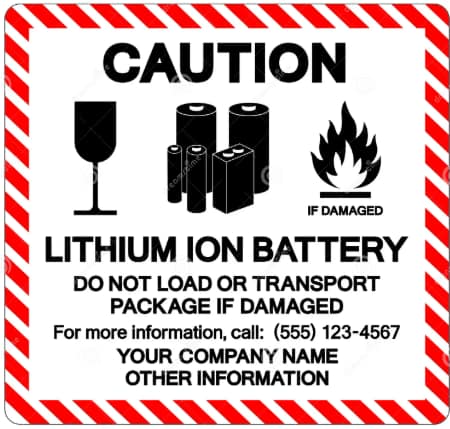
The battery or device may list its chemistry on the battery’s case, instruction manuals, or product markings. There may also be icons that state the chemistry or the chasing arrow symbol with the words “Li-ion” below it.
Fields of application
- Consumer electronics: smartphones, laptops, cameras, and wearable devices require high energy density (the amount of energy that can be stored per unit of weight or volume)
- Electric vehicles: Cars, scooters, and electric bicycles require a battery with a certain range (the amount of energy that can be delivered per unit of time before the battery runs out) and dynamic control
- Energy storage: residential and industrial systems for storing renewable energy
Where to dispose of Batteries—and where Not to
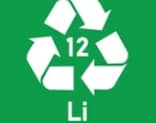
Lithium batteries cannot be placed in the municipal or household recycling bin because will eventually end up at a municipal recycling facility (MRF) that is not equipped to recycle batteries. During sorting, they may be damaged, potentially causing fires.
You must take them to local hazardous household waste collection sites for proper disposal and the recovery of reusable materials such as cobalt and others. Batteries from medium- and large-sized electric vehicles should be returned to the manufacturer or dealer for proper disposal.
The importance of recycling
Recycling batteries helps recover materials such as cobalt, lithium, and nickel—which are considered critical minerals and require energy to extract and produce. Not recycling means throwing these resources away, with the risk that the batteries will end up at recycling facilities that are unable to handle them safely.
Reducing the number of steps required for mineral extraction significantly lowers the environmental impact if we all decide to recycle used batteries.
Bibliographic sources:
- Global Energy Review 2026 – Analysis – IEA – IEA, 2026
- Lithium Batteries: How They Work—A Complete Guide to Their Functioning, Benefits, and Safety – Sapeg.it – Sapeg, 2026
- Frequent Questions on Lithium-Ion Batteries | US EPA – US EPA, 2026
Read more on Green Chemistry:
Latest post: Balloons: A historic turning point – theChemistry